
Allergy Basics
What Is Allergy Load and Why It Matters
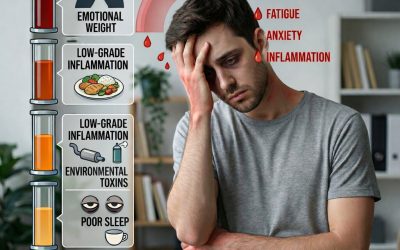
Allergy load is the total pressure your body is carrying from things like pollen, dust, mold, chemicals, stress, poor sleep, and daily habits. When that load gets too high, your body starts to react. Understanding that changes how you look at symptoms, and it can help you finally make sense of why you feel fine some days and awful on others.
Allergy load means your body is dealing with more than one trigger at a time
Most people think allergies are caused by one obvious thing. Maybe it is pollen. Maybe it is dust. Maybe it is a cleaner, a fragrance, or something in the air at home. Sometimes that is partly true, but it is rarely the full picture.
Your body is usually responding to a buildup, not just one trigger. Air quality, chemicals, stress, poor sleep, humidity, food choices, and daily routine can all stack together. That total buildup is your allergy load.
When your load stays low, your body may handle those exposures without much trouble. When the load gets too high, symptoms start showing up.
A simple way to think about it
Think of your body like a bucket. Every trigger adds a little more to it. Pollen adds some. Dust adds some. Stress adds some. Bad sleep adds some. Fragrances or cleaning chemicals add some.
At first, the bucket may not overflow. But once it passes your limit, your body reacts. That is when symptoms like congestion, sneezing, headaches, irritation, coughing, brain fog, or fatigue may show up.
Why the idea of allergy load matters
This matters because it explains why chasing one trigger at a time does not always work. You might remove one thing and still feel bad because several other triggers are still adding pressure behind the scenes.
It also explains why symptoms can feel inconsistent. On one day, your body may be coping well enough. On another, a little more stress, less sleep, or more exposure pushes you over the edge.
- You may react more at home than outside
- You may feel worse at certain times of day
- You may have good days and bad days for no obvious reason
- You may notice symptoms get worse when several small issues happen together
Common things that can raise your allergy load
Allergy load is not just about seasonal allergens. It can be shaped by many things in your environment and routine.
Air quality
Pollen, dust, mold, pet dander, smoke, and poor ventilation can all add pressure to your system.
Chemicals
Cleaning products, fragrances, scented laundry products, and other irritants can increase sensitivity.
Stress
Stress can make your body less able to cope, which can make symptoms feel stronger and more frequent.
Daily habits
Poor sleep, dehydration, inconsistent routines, and other lifestyle factors can raise your baseline.
How to tell if allergy load may be affecting you
You do not need to have severe reactions for allergy load to be a real issue. Many people notice a pattern long before they understand what is happening.
- Your symptoms do not fully make sense
- You react to things other people do not seem to notice
- You feel worse in certain rooms, buildings, or environments
- Your symptoms change from day to day
- You have tried multiple products or fixes without clear answers
What to do instead of guessing
The goal is not to panic over every possible trigger. The goal is to step back and look at the full picture. When you understand what is building your load, you can start reducing the biggest sources of pressure first.
That often means looking at patterns, your home environment, the products around you, your routine, and the times symptoms are strongest. Instead of guessing, you start making decisions based on what your body is showing you.
Why this can help you feel better faster
When you focus on total allergy load, the process becomes clearer. You are no longer waiting for one magic fix. You are looking at what is adding up, what matters most, and what you can reduce first.
That gives you a more practical path forward. It can help you make better choices, reduce frustration, and start feeling more in control.
Start by understanding what is building your allergy load
Once you see what is adding pressure to your system, the next steps get much easier. That is where real progress starts.