
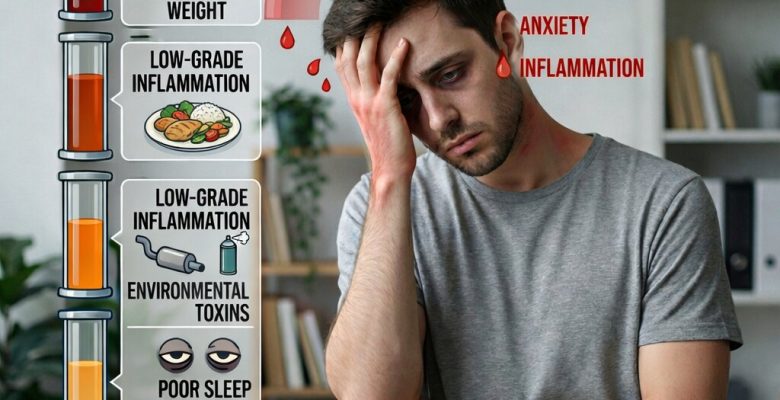
Why Your Allergies Aren’t Random
And why treating “triggers” keeps failing.
If allergies were really caused by one trigger, you would’ve solved this by now.
You’ve removed foods. You’ve cleaned the house. You’ve changed pillows, detergents, air filters, supplements, routines.
And yet… symptoms still show up.
Sometimes worse. Sometimes different. Sometimes out of nowhere.
That’s not bad luck. And it’s not your imagination.
But here’s what I need you to hear: your body didn’t betray you. It’s been quietly keeping score. And at some point, the scoreboard finally overflowed.
The Lie That Keeps You Stuck

The entire allergy industry is built on one idea:
“Find the trigger. Remove the trigger. Problem solved.”
That logic makes sense on paper. And sometimes it works — temporarily.
But here’s what most people eventually experience:
- They remove one trigger… and react to something else
- They feel better for a few weeks… then crash again
- They become more sensitive, not less
- Their “safe list” keeps shrinking
So they add another rule. Another food to the “no” list. Another product to avoid. Another thing to fear.
And slowly, without anyone meaning for it to happen, your world shrinks.
That’s not healing. That’s hiding. And your body knows the difference.
At that point, the problem isn’t pollen, food, mold, fragrance, or dust.
The problem is that your body has lost its ability to recover.
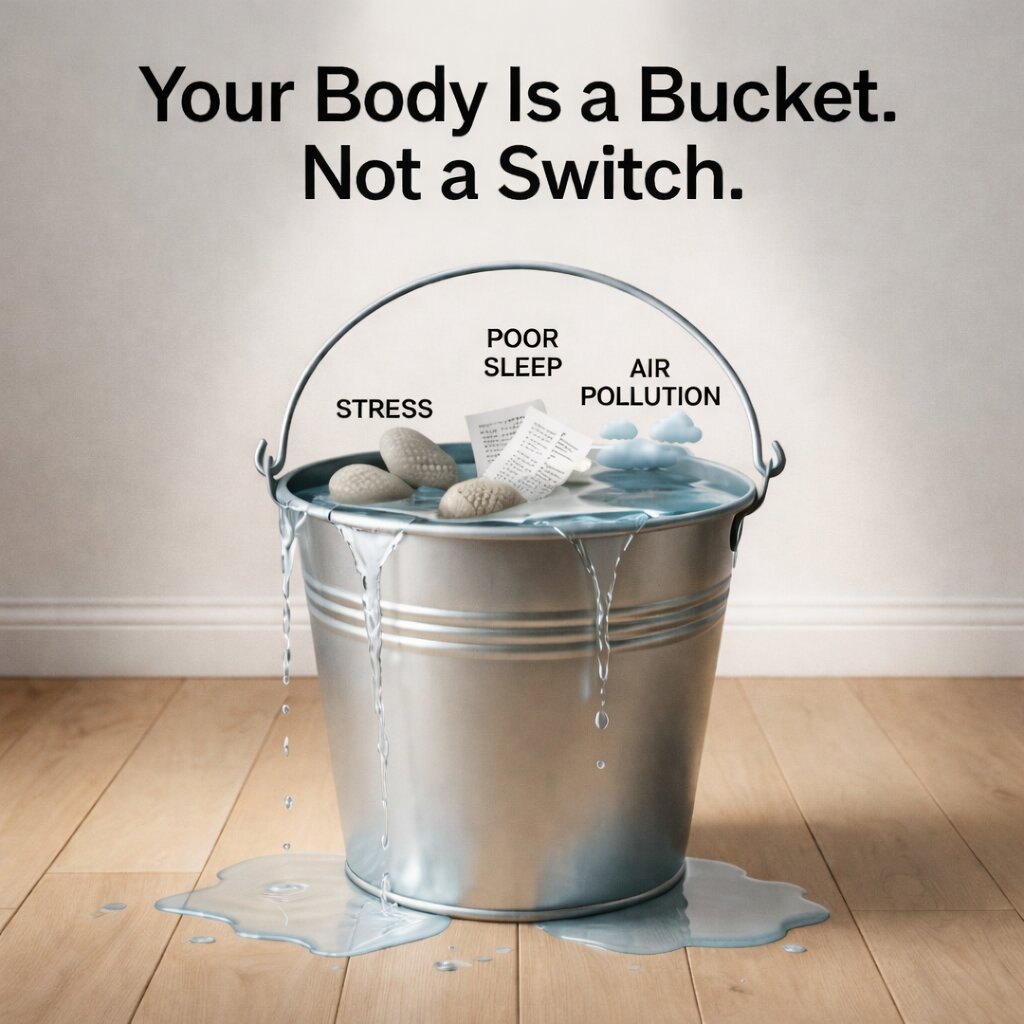
Your Body Is a Bucket. Not a Switch.
Here’s the reframe that changes everything:
Allergic reactions don’t happen because your body is weak. They happen because your system is overloaded.
Think of your body like a bucket.
- Background stress fills it a little.
- Poor sleep fills it more.
- The fragrance in the elevator. The air quality on the freeway. The low-grade inflammation from last week’s meal.
- Grief. Anxiety. That argument you haven’t resolved yet.
All of those run quietly in the background.
None of them, on their own, cause a reaction. But together? They fill the bucket to the rim.
And then the pollen comes. Or the cat. Or the candle someone lit in the office. And the bucket overflows.
That looks like a “random reaction.”
It wasn’t random. It was predictable accumulation.
Why “Trigger Chasing” Makes Things Worse
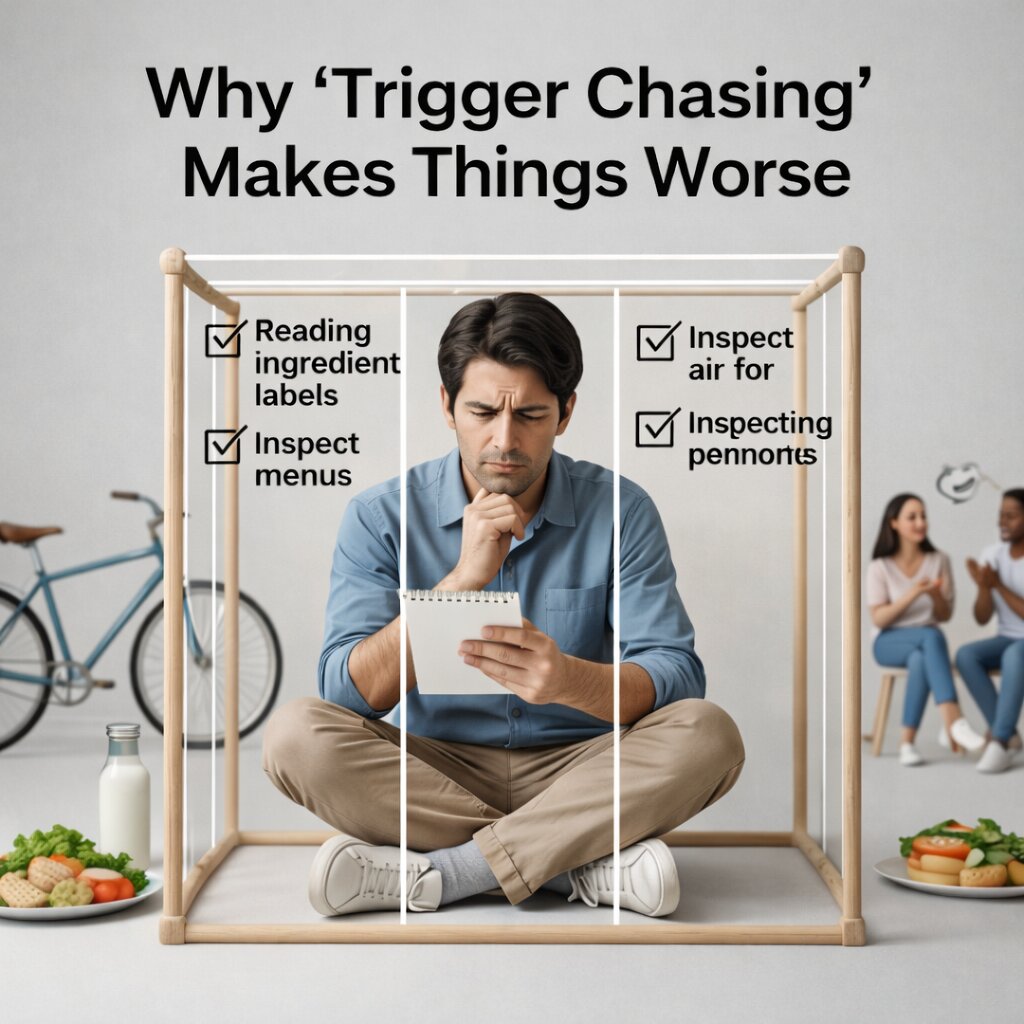
When people focus only on triggers, they unintentionally create three problems:
- You Stay Reactive Instead of Stable Your attention stays on what to avoid — not how to rebuild capacity.
- Your World Gets Smaller More rules. More restrictions. More fear around everyday life.
- Your Nervous System Never Feels Safe When your body expects danger everywhere, it reacts faster and harder.
This is why some people develop:
- Food sensitivities that keep expanding
- Fragrance or chemical reactions
- Environmental intolerance
- Brain fog, fatigue, anxiety, inflammation
Not because they’re “getting worse” — but because recovery never fully happens.
I’ve Sat Where You’re Sitting
I remember trying to give a client a quote and watching the numbers blur. Couldn’t hold a thought. Couldn’t finish a sentence. Everyone around me looked fine.
I kept thinking: what is wrong with me?
It took years to understand that nothing was “wrong” with me. My bucket was full. My nervous system was in permanent alarm mode. My body was doing exactly what a body does when it’s been carrying too much for too long.
It wasn’t weakness. It was overload.
And overload, unlike weakness, is something you can actually fix.
The Question That Shifts Everything
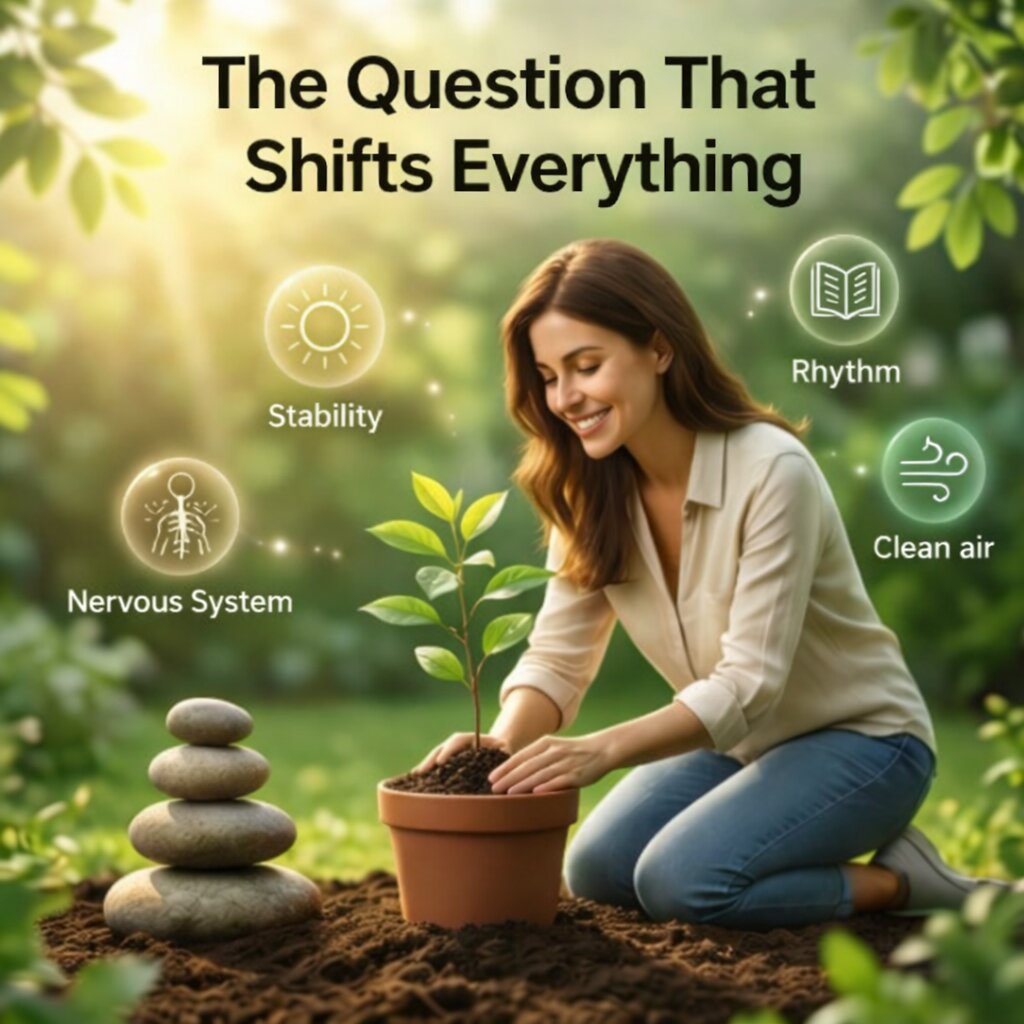
Most people ask: “What triggered this?”
That question keeps you in detective mode — chasing symptoms, eliminating things, building a smaller and smaller cage around your life.
The right question is:
“Why couldn’t my body recover this time?”
That question points you toward capacity — not culprits.
Because once recovery capacity is restored:
- Triggers lose power
- Sensitivity decreases
- Reactions become milder
- Confidence returns
- You start saying yes again — to the park, to the dinner party, to your own life
Stability isn’t about avoiding life. It’s about being able to move through it again.
What Actually Leads to Lasting Relief
Not more supplements. Not more restriction. Not more vigilance.
What works is rebuilding the foundation:
- Nervous system regulation — so your body stops treating everything as a threat
- Environmental load reduction — the quiet exposures you’ve stopped noticing
- Baseline stability — sleep, rhythm, and recovery patterns your body can count on
- Emotional unburdening — because stress fills the bucket faster than pollen ever could
When those are in place, the body does what it was always designed to do.
It calms down. It self-corrects. It recovers.
You’re Not Broken. You’re Overloaded.
If you’ve ever thought:
- “Why am I reacting to things that never bothered me before?”
- “Why do I feel like I’m managing symptoms instead of healing?”
- “Why does everything feel so fragile now?”
You’re not broken. Your body isn’t failing. And your symptoms aren’t random.
The life you’ve been watching from the sidelines — the park, the dinners, the moments you keep missing — it’s still waiting for you.
The fog isn’t your permanent home. Let’s find the door.
They’re signals — and they’re reversible when addressed correctly.